


Ukraine Travel Insurance for UK Citizens What You Need to Know
If you’re a UK citizen planning a trip to Ukraine, having the right travel insurance is essential for peace of mind. Our guide helps you find a policy that covers medical expenses, cancellation, and the unique needs of visiting the country, all without the jargon. We make it simple to stay protected while you explore Ukraine with confidence.
Travel Cover for Ukraine: What UK Nationals Need to Know
For UK nationals considering travel to Ukraine, securing robust travel cover is not just advisable—it is essential. The Foreign, Commonwealth & Development Office (FCDO) currently advises against all travel to Ukraine, and most standard policies are void in such high-risk regions. You must seek a specialist insurer who explicitly covers war and conflict zones, as standard trip cancellation or medical repatriation will not apply. Crucially, travel insurance for Ukraine is a niche product; you must declare your exact itinerary and duration, as policies are often issued for short, specific periods with strict conditions. Expect premium costs to be significantly higher, and ensure your cover includes emergency medical evacuation, as facilities are limited. Always verify the policy’s fine print on terrorism, civil unrest, and drone-related damage. Without this tailored protection, your financial and personal safety could be dangerously exposed.
Current Political Risk and Why Standard Policies Often Exclude Conflict Zones
For UK nationals, travel cover for Ukraine remains exceptionally complex. Most standard policies are void the moment a Foreign Office advisory against all travel becomes active. This means you cannot buy a new policy online and assume you are protected. Unlike a trip to Paris or Barcelona, your safety net has specific gaps. You must seek specialist insurers who explicitly cover conflict zones, a niche market with steep premiums. Before booking anything, confirm your policy covers medical evacuation for war injuries and potential embassy assistance. One overlooked detail can leave you financially stranded.
Understanding FCDO Travel Advice and Its Direct Impact on Policy Validity
Planning a trip to Ukraine as a UK national means you must treat travel cover as a top priority, not an afterthought. Most standard policies now void claims for this destination due to ongoing conflict. Comprehensive war risk travel insurance is essential for any visit, covering medical evacuation, security threats, and trip disruption if the situation escalates. You’ll likely need a specialised provider—check for specific cancellation terms if the FCDO safety rating changes while you’re there. Expect higher premiums.
Before you book, look for a policy that explicitly lists these needs:
- Medical emergency care and hospitalisation in active zones.
- Repatriation cover for injury or civil unrest.
- Cover for lost or stolen documents, especially passports.
Always double-check that your insurer confirms it covers travel against FCDO advice—most will only pay out if they explicitly acknowledge government warnings.
Specialist Providers for High-Risk Destinations
For travelers venturing into regions marked by conflict, political instability, or extreme environments, relying on standard insurance is a gamble with life-altering stakes. Instead, specialist providers for high-risk destinations offer bespoke security protocols and real-time evacuation capabilities that general policies simply cannot match. These firms typically employ former military or intelligence professionals who design dynamic risk assessments, ensuring you have a direct link to a tactical response team. Their coverage extends to kidnap and ransom, medical extraction from war zones, and emergency sheltering during civil unrest. By investing in this level of preparedness, adventurers and journalists gain the freedom to operate with confidence, knowing that a dedicated security infrastructure stands ready to react the moment a crisis unfolds. This is not just insurance; it is a lifeline engineered for the unpredictable.
Comparison of Insurers Who Underwrite Trips to Active Conflict Regions
When you’re planning a trip to a country with active conflict zones or extreme political instability, standard travel insurance often won’t cut it. Specialist providers for high-risk destinations step in where mainstream policies refuse to go, offering coverage for kidnap, ransom, and emergency evacuation. These insurers understand the unique challenges of operating in volatile environments, from war zones in Ukraine to remote areas in the Sahel. High-risk travel insurance typically requires a detailed security assessment before quoting. Key features include:
- 24/7 security hotline with geopolitical analysts
- Medical evacuation from hostile environments
- Coverage for terrorism and hijacking incidents
Most policies exclude claims if you ignore official travel warnings, so always check FCDO or State Department advisories before buying.
Key Policy Wording: War, Terrorism, and Civil Unrest Exclusions
When you’re heading to a high-risk destination for work or adventure, standard travel insurance usually won’t cut it. That’s where specialist providers come in, offering tailored coverage for countries with travel advisories, active conflict zones, or extreme environments. They often include medical evacuation, kidnap and ransom cover, and real-time security intelligence, which standard policies exclude. Before you go, look for a plan that explicitly covers your specific destination and activities. Emergency medical evacuation for remote areas is a non-negotiable feature. You’ll typically find these providers focus on:
- Real-time security alerts and evacuation coordination.
- Coverage for war, terrorism, and political unrest.
- 24/7 multilingual support teams on the ground.
Just double-check the fine print—some policies still exclude regions under official travel bans.
Medical Evacuation and Emergency Assistance
Medical evacuation and emergency assistance represent the critical bridge between a traveler’s sudden crisis and life-saving care. When an unforeseen accident or severe illness strikes far from home, a coordinated global emergency response mobilizes instantly, deploying air ambulances, specialized medical teams, and hospital networks to stabilize and transport the individual. This system is not merely logistical—it is a pulse-pounding race against time, where every second dictates survival outcomes. From remote mountain treks to bustling foreign cities, top-tier assistance programs provide 24/7 command centers that assess threats, bypass bureaucratic delays, and arrange complex evacuations under extreme pressure. Such rapid, expert intervention transforms a terrifying ordeal into a managed rescue, ensuring that distance and terrain never become insurmountable barriers to essential medical treatment.
Coverage for Trauma Care in a Warzone and Repatriation to the UK
Medical evacuation (medevac) and emergency assistance are critical services that ensure rapid transport to appropriate medical facilities during health crises. Emergency medical response protocols typically initiate with a call to a central dispatch, which coordinates ground or air assets. Common transport modes include ambulances for local incidents and helicopters or fixed-wing aircraft for remote or long-distance cases. Services often cover:
- Assessment and stabilization by trained paramedics
- Continuous monitoring during transit
- Coordination with receiving hospitals
International travelers frequently require travel insurance with medevac coverage, as costs for repatriation can exceed $100,000. Assistance providers also arrange for language interpretation, legal documentation, and family communication. Accreditation bodies like the Commission on Accreditation of Medical Transport Systems (CAMTS) set quality standards for these operations.
Air Ambulance vs. Ground Transport: What Your Plan Should Guarantee
Medical evacuation (medevac) and emergency assistance provide critical transport and care for individuals facing urgent health crises in remote or resource-limited settings. These services are often coordinated through specialized insurance or travel assistance companies, ensuring rapid response via air ambulance, ground transport, or maritime evacuation. Emergency medical evacuation covers life-threatening conditions such as severe trauma, heart attacks, or strokes, while non-critical cases may involve medical repatriation to a home country. Services typically include:
- 24/7 multilingual support and case management
- Arrangements with local hospitals and doctors
- Secure transport with onboard medical staff and equipment
Coordination with local authorities and adherence to international safety standards are essential to minimize delays and complications. Comprehensive travel insurance is strongly recommended to offset high costs, which can exceed tens of thousands of dollars. Availability and response times vary by region; pre-trip research on evacuation options is advised.
Legal and Financial Protections While in Ukraine
Foreign nationals in Ukraine should be aware of key legal and financial protections. Under Ukrainian law, all individuals have the right to access emergency medical care, regardless of legal status. Non-residents can open a local bank account for essential transactions, though limitations on currency exchange and international transfers apply. It is crucial to register with local authorities within 30 days of arrival for stays over 90 days to avoid fines. For asset protection, **financial regulations** require declaring any cross-border movement of cash exceeding €10,000. Travel insurance covering medical evacuation is strongly recommended, as public healthcare facilities may have limited English-speaking staff. Always keep copies of your passport and visa, as authorities may conduct document checks. Understanding these **legal frameworks** helps mitigate risks while residing in Ukraine.
Personal Liability Cover for Foreign Aid Workers and Volunteers
While in Ukraine, securing robust travel and medical insurance covering conflict zones is your primary financial safety net for expats in Ukraine. Standard policies often exclude war risks, so verify your provider explicitly covers injury or evacuation related to military actions. Additionally, carry certified copies of your passport, visa, and registration documents at all times, as legal identification checks are routine. For property or business interests, register all contracts with a Ukrainian notary to ensure enforceability in local courts. Keep digital backups of all agreements and receipts for high-value transactions. Below are critical steps to maintain financial access during disruptions:
- Maintain multiple bank accounts (local and international) to prevent frozen asset issues.
- Notify your embassy of your location for consular assistance eligibility.
- Store emergency cash in U.S. dollars or euros, as ATM failures are common during blackouts.
Loss of Passport, Theft, and Document Replacement in a Crisis
Foreign nationals in Ukraine benefit from legal protections under Ukrainian law, including the right to consular assistance from their home country and access to local legal representation. Ensure valid visa and registration status to avoid fines or detention; overstaying a visa can lead to deportation and re-entry bans. Financial safeguards include the ability to open local bank accounts, use international credit cards, and transfer funds via authorized channels. However, currency exchange restrictions apply, and cash transactions above UAH 400,000 (approx. $10,000) require declaration. Foreign currency accounts are permitted, but withdrawals may be limited during martial law. Always keep copies of your passport, visa, and financial records, as authorities may request them.
- Legal: Register with local authorities within 30 days of arrival (hotel staff often assist).
- Financial: Use licensed exchange points only; avoid street vendors to prevent scams.
- Emergency: Save your embassy’s hotline and the local police number (102) in your phone.

Q: Can I work remotely for a foreign company while in Ukraine?
A: Yes, but ensure your visa permits business activity—tourist visas do not. You may need a temporary residence permit for long-term work.
Q: What happens if my bank card is stolen?
A: Report it immediately to your bank and local police. Keep a separate, offline backup of card numbers and emergency contacts.
Short-Term vs. Long-Stay Policies for Different Trip Durations
Short-term policies are ideal for travelers seeking temporary coverage from a few days to three months, offering precise protection for single vacations or business trips without long-term commitment. In contrast, long-stay plans are tailored for extended journeys exceeding 30 days, providing robust benefits like chronic condition management and higher medical limits, crucial for backpacking or seasonal work.
For any trip over 90 days, a long-stay policy is non-negotiable; short-term plans will leave you perilously underinsured.
While short-term options save money for brief getaways, they cap coverage limits that become dangerous on longer adventures. Choosing the right policy duration directly determines your financial safety—matching coverage length to your exact travel span ensures you’re never paying for unused days nor risking catastrophic gaps. Always prioritize a policy that aligns with your itinerary’s exact timeframe.

Single-Trip Cover for Journalists, Freelancers, and Humanitarian Staff
Short-term travel insurance policies are ideal for single trips under 30 days, offering affordable, fixed-date coverage. They excel for one-off vacations or business trips, where protection against cancellations, medical emergencies, and lost luggage is paramount. In contrast, long-stay policies, spanning 30 to 365 days, are essential for extended travel, study abroad, or remote work; they often include higher medical limits, repatriation benefits, and flexibility to extend. For multi-trip frequent travelers, an annual policy might bridge the gap, but it typically limits per-trip duration to 30 or 45 days. Choosing wisely hinges on trip length: short policies maximize value for brief periods, while long-stay coverage ensures you aren’t exposed to costly gaps on journeys exceeding a month.
Annual Multi-Trip Options with Conflict Zone Add-Ons
For travelers, the choice between short-term and long-stay policies hinges entirely on trip duration. Short-term policies, ideal for trips under 30 days, provide robust, all-inclusive coverage for high-risk activities like medical emergencies, trip cancellations, and lost baggage. Long-stay policies, designed for journeys exceeding 30 days, shift focus toward chronic condition management, mental health support, and renewable coverage limits. Choosing the right travel insurance duration directly impacts claim success rates. A weekend getaway demands urgent care and flight interruption benefits, whereas a three-month sabbatical requires continuous prescription refills and annual renewal flexibility.
- Short-stay (1–29 days): Emergency medical evacuation, trip interruption.
- Long-stay (30+ days): Pre-existing condition waivers, policy extension options.
Don’t overpay for a year-long plan when a weekend policy covers your risk profile precisely.
Step-by-Step Guide to Purchasing a Valid Plan
Jennifer stared at her cluttered dashboard, overwhelmed by the maze of options. Instead of diving in blind, she paused. Her first step was identifying her core need: was this for short-term marketing or daily business management? With clarity, she compared three major providers, reading recent user reviews to spot hidden fees. She then selected a mid-tier monthly plan, avoiding the tempting “lifetime” deal that boasted unrealistic features. After payment, the real validation came—not just from her receipt, but from the setup wizard that synced her existing tools instantly, turning her chaos into a seamless workflow within fifteen minutes.

Pre-Departure Checklist: Declaring Intent, Reading Small Print, and Disclosure
To purchase a valid plan, first identify your needs by comparing available options on the official provider website. Select a suitable subscription tier that matches your usage requirements and budget. Next, click the “Buy Now” or “Subscribe” button, then create an account or log in if prompted. During checkout, enter your billing and payment details accurately, ensuring your card or digital wallet has sufficient funds. Review the order summary, including any recurring charges or trial periods, before confirming the purchase. After submission, check for an email confirmation with your plan details and activation link. Finally, log into your account dashboard to verify the plan is active and note the renewal date. For troubleshooting, contact customer support directly via chat or phone.
What to Do If Your Claim Is Rejected Due to the Active Conflict Clause
Ready to secure a valid plan? Follow https://insurance-ukraine.com/united-kingdom/ this streamlined purchase process to avoid common pitfalls. First, identify your specific needs—whether for travel, health, or data—by comparing coverage limits and exclusions on provider websites. Next, verify plan legitimacy through official government or insurer portals to avoid scams. Then, enter accurate personal details and choose a secure payment method, such as credit card or digital wallet, to complete the transaction. Always download the policy certificate and confirmation email immediately. Finally, activate your plan if required, and store a digital or printed copy accessible offline.
- Assess Coverage Needs: List required benefits (e.g., emergency transport, unlimited data).
- Verify Provider: Check licenses via state insurance department databases.
- Confirm Payment Security: Use encrypted checkout processes (look for “https”).
- Save Documents: Save PDFs and wallet cards before closing the browser.
Q: What if I don’t receive a confirmation email?
A: Contact customer support within 2 hours. Retain the payment receipt as proof of purchase while they resolve the issue.
Digital Nomads and Remote Workers in Wartime Ukraine
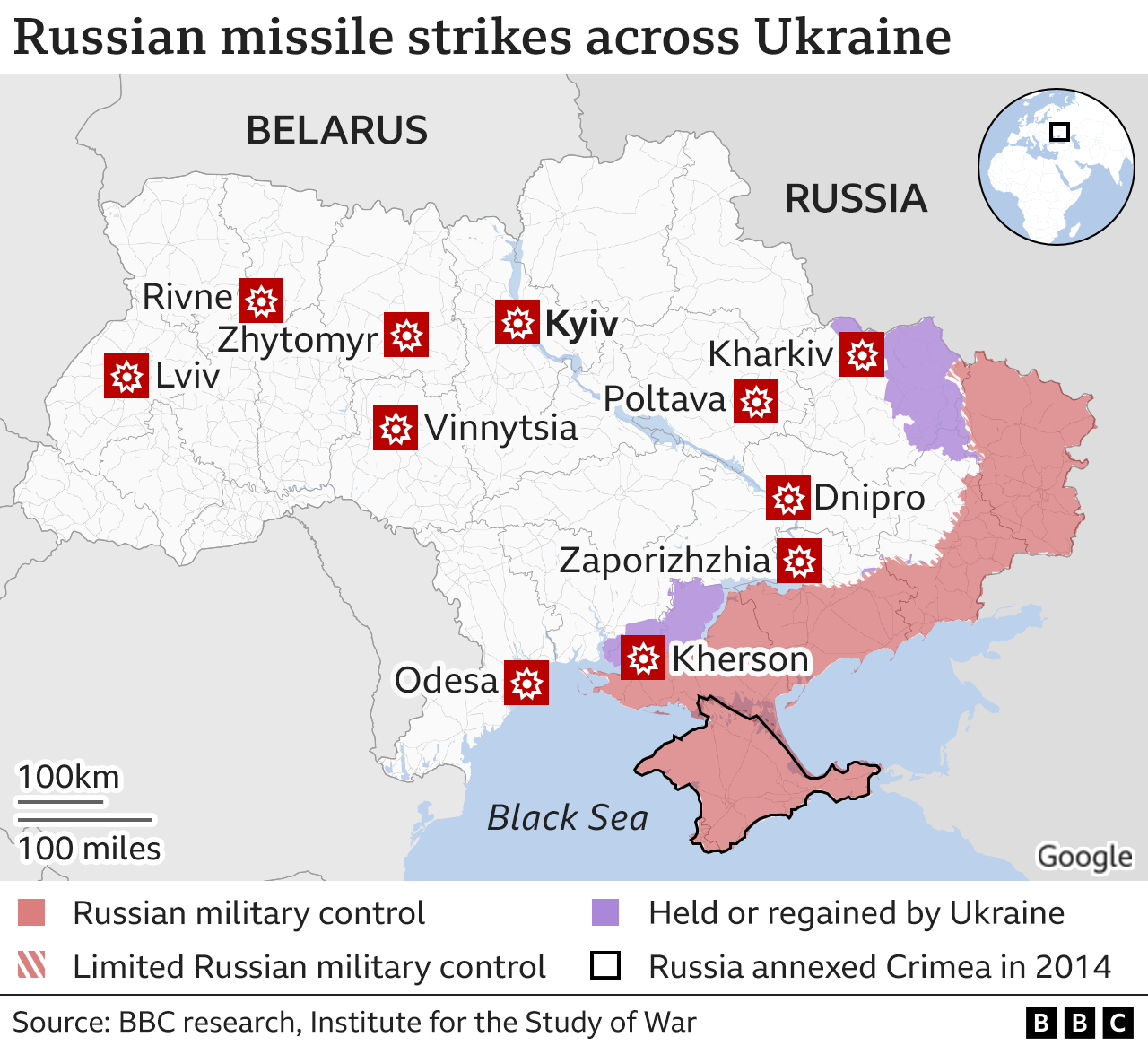
For digital nomads and remote workers in wartime Ukraine, the calculus shifts from lifestyle optimization to survival logistics. Remote work in Ukraine demands a rigorous assessment of air raid siren coverage, power grid reliability, and Starlink access over coworking ambiance. Experts advise maintaining a dual-documentation system: offline backups of critical work files and a pre-planned evacuation route to western regions or neighboring countries. The psychological bandwidth for client calls narrows; prioritize asynchronous communication and transparent buffers for shelter interruptions. While cities like Lviv and Uzhhorod offer relative safety, connectivity in bomb shelters often relies on mobile hotspots. Crucially, ensure your employer understands force majeure clauses—professional continuity here depends on adaptability, not consistency. The true premium skill is crisis protocol literacy, not just time-zone alignment.
Extending Your Stay: Insurance for Expats and Long-Term Residents
Since Russia’s full-scale invasion, digital nomads and remote workers in wartime Ukraine have demonstrated remarkable adaptability, continuing to operate from co-working spaces, cafes, and bomb shelters across cities like Kyiv, Lviv, and Dnipro. Remote work in conflict zones now relies on portable Starlink terminals, power banks, and decentralized communication tools to maintain income stability despite frequent air raids and infrastructure damage. Many international freelancers and tech professionals chose to remain or relocate within Ukraine, contributing to the local economy while supporting volunteer networks. The practical challenges—curfews, electricity outages, and psychological stress—are offset by a strong sense of purpose and the ability to earn hard currency. This resilience highlights how flexible employment models can persist even under extreme geopolitical disruption, offering economic lifelines amid destruction.
Cyber Risk and Equipment Cover for Laptops and Sat Phones
Even as war reshapes Ukraine, a surprising community of digital nomads and remote workers has emerged, defying the odds. These individuals, both Ukrainians and internationals, log in from co-working spaces in Lviv, cafés in Kyiv, or makeshift offices in safer western regions. They keep their businesses running, support local economies, and show that remote work in conflict zones is possible with reliable internet and resilience. Many locals now embrace freelancing to sustain themselves, while foreign nomads often volunteer or donate aid alongside their 9-to-5 tasks. It’s not glamorous—air raids interrupt calls, and power cuts are constant—but the spirit of productivity and adaptability holds strong.
Q&A:
Q: How do digital nomads handle air raid alerts during work?
A: Most have a “bomb shelter plan”—they pause, grab their laptop, and continue in a basement or hallway with backup power.